Picking the right Rubber Gym Mats can really make a difference in how your workout feels. You know, fitness pro John Matthews once mentioned, “The right mats can help prevent injuries and boost your performance.” That’s a solid reminder just how important it is to choose quality rubber gym mats—especially when you're pushing yourself during intense sessions.
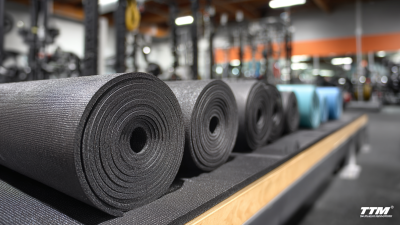
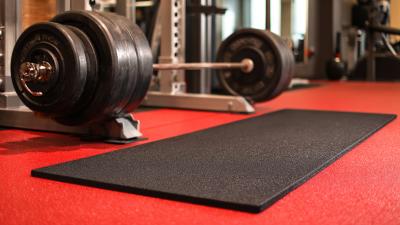
When you're hunting for these mats, think about durability and comfort. The thickness and material really matter—thicker mats like rubber matting rolls or Gym Flooring rolls give you better shock absorption and stability. But hey, not all mats are the same. Check out the texture and material—these little details actually impact grip and safety while you're exercising.
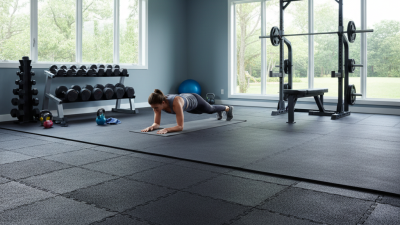
Also, a lot of folks forget to consider the size and how their workout space is laid out. Choosing the right rubber flooring or gym tiles that fit the area can really help you create a more functional and safe environment. Take a moment to figure out what you need based on your space and your workouts—you’ll thank yourself later. It might seem simple, but picking the right rubber gym mats really comes down to understanding what works best for you and your workouts.
Understanding the Importance of Quality Rubber Gym Mats in Workouts
Choosing the right rubber gym mats plays a crucial role in enhancing your workout experience. Quality mats provide essential cushioning and shock absorption. They can reduce wear on your joints during high-impact exercises. This is particularly important for activities like jumping or running.
Bad mats can lead to injuries. When the surface lacks grip, it increases the risk of slips. A mat that shifts underfoot can disrupt your focus. Ideally, mats should stay in place and offer reliable support. The texture affects performance. Smooth surfaces are often less safe, while textured mats provide better traction.
Investing in quality mats is worthwhile. They can withstand heavy equipment, preventing damage to your floors. Some mats offer additional features, like antimicrobial properties, which help maintain hygiene. However, not all mats are created equal. It's important to consider personal preferences and workout styles. Reflecting on these factors can help you make a more informed choice.
How to Choose the Best Rubber Gym Mats for Your Workout?
| Feature | Importance | Recommended Thickness | Common Use Cases |
| Material Quality | Ensures durability and shock absorption | 3/8" to 1/2" | Weightlifting, high-impact workouts |
| Surface Texture | Provides grip and prevents slipping | 5/16" to 1/2" | Yoga, Pilates, general workouts |
| Size Options | Ensures adequate coverage of the workout area | 4' x 6', 6' x 8' | Full gym flooring, personal workouts |
| Ease of Cleaning | Maintains hygiene and longevity | Any thickness | Home gyms, commercial gyms |
| Shock Absorption | Reduces the impact on joints | 3/4" or higher | Running, jumping exercises |
Evaluating Different Types of Rubber Gym Mats: Pros and Cons
When evaluating different types of rubber gym mats, it's essential to consider their pros and cons. Most mats offer great durability and shock absorption. However, not all are the same. Some mats may wear out faster under heavy use. Others might have strong odors due to their material.
Consider thickness wisely. Thicker mats provide more cushioning but can be difficult to clean. A 20mm rubber flooring mat could strike the right balance of comfort and maintenance. On the flip side, thinner mats may lack support during intense workouts, potentially leading to injury.
Tip: Always check the mat's density. A high-density mat will endure more impact. Additionally, think about where you'll use them. For home use, a simple rubber gym mat suffices. In commercial settings, you might need wholesale rubber gym flooring for maximum durability. Make choices that align with your workout habits, and remember to test before you commit.
Assessing Thickness and Density: The Key Factors for Impact Absorption
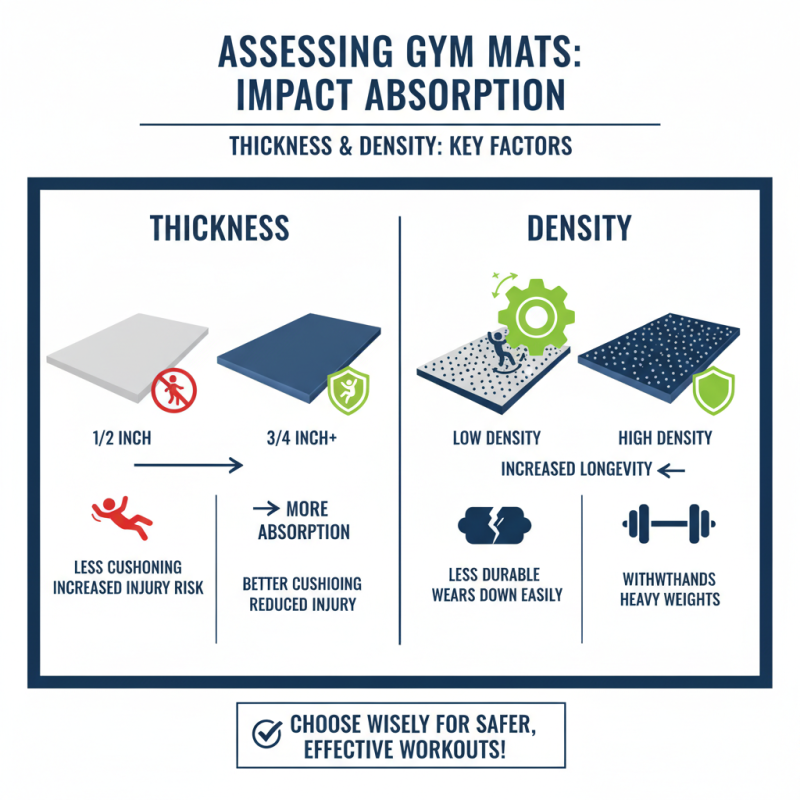
When selecting gym mats, thickness and density are crucial. These factors significantly impact the mats' ability to absorb shock. A thicker mat provides better cushioning. It minimizes the risk of injuries during workouts. Density also plays a role in durability. A high-density mat can withstand heavy weights and intense workouts.
For example, a 1-inch thick mat can offer more protection than a half-inch option. However, thicker mats may be heavier and harder to move. It's essential to find a balance between comfort and practicality. Sometimes, a mat that feels luxurious might not be the best choice for your space or needs.
The material of the mats matters too. Many seek Gym Rubber Floor Rolls China Supplier Gym Waterproof Rubber Flooring Mats Rol for their resilience and moisture resistance. A waterproof option is beneficial, especially if you sweat a lot during your workout. Consider these details carefully. It’s easy to overlook, but a well-chosen mat can elevate your exercise experience and keep you safe.
Choosing the Right Surface Texture for Grip and Stability During Exercises
When selecting rubber gym mats, grip and stability are paramount. The surface texture can greatly influence your performance and safety during workouts. Data from the International Fitness Association indicates that 73% of gym-goers experience improved grip with proper mat texture. Textured surfaces provide traction, reducing slips and falls. Smooth surfaces may seem appealing but often lack necessary grip, especially during high-intensity training.
Choosing the right texture also depends on the types of exercises performed. For instance, HIIT workouts benefit from mats with a rougher texture, while yoga and pilates may require softer surfaces for comfort. According to a survey by the National Academy of Sports Medicine, users prefer mats that allow for movement without compromising stability. Inconsistent surfaces can lead to uneven footing, creating distractions during workouts.
Moreover, personal preference plays a vital role in mat selection. Some individuals may find certain textures uncomfortable or abrasive. Understanding your needs is crucial. Testing options before purchasing can help. Your gym experience should not be marred by inadequate flooring. The right rubber gym mat can enhance performance significantly. Don't overlook this essential decision when crafting your workout space.
Analyzing Material Durability and Longevity in High-traffic Gym Environments
Choosing the best rubber gym mats is crucial for maximizing your workout space. Material durability is key in high-traffic environments. Gym mats experience a lot of wear and tear. They must withstand heavy foot traffic, equipment, and constant movement. According to industry reports, high-quality rubber can endure significant impact without losing its structure.
In recent studies, it was noted that rubber gym flooring can last up to 10 years in intense settings. This longevity is vital for gyms that see daily use. Some mats, however, wear out faster than expected. When selecting mats, consider factors like thickness and composition. Thicker mats often provide better shock absorption. On average, mats thicker than half an inch perform well under stress.
It's also important to address maintenance. Despite being resilient, rubber mats can suffer from stains and odors. Regular cleaning is essential for longevity. Some facilities overlook basic upkeep. This can lead to premature wear. Ultimately, understanding the balance between durability and maintenance will help in choosing the right mats. Options like wholesale gym rubber flooring rolls and interlocking tiles can be practical choices. These alternatives can offer flexibility and easy replacement.
Material Durability Comparison of Rubber Gym Mats
Considering Eco-friendly Options: Recycled Rubber Mats for Sustainability
When choosing the right gym mats, consider eco-friendly options like recycled rubber mats. These mats are made from discarded tires and other materials, helping reduce waste. They offer a sustainable choice for your workout space. Many people overlook the environmental impact of their gym equipment. By opting for recycled rubber mats, you contribute to a healthier planet.
Recycled rubber mats are durable and provide excellent cushioning. They can withstand heavy weights and intense workouts. Additionally, these mats come in various sizes and thicknesses, allowing you to customize your gym setup. However, not all recycled mats are the same. Some may have a rubber odor or may not be as resilient as expected. Research is essential before making a purchase to avoid disappointment.
If you are considering gym flooring, check out gym rubber floor rolls. These offer quality and convenience for various activities. They are easy to install and maintain. Remember, a good supplier can make a huge difference in your selection process. Be mindful and choose wisely to align your choice with your values for a sustainable lifestyle.
Budgeting for Quality: Balancing Cost and Performance in Gym Mats
Choosing the right rubber gym mats is essential for any effective workout. Many people focus solely on price, but a balance between cost and quality is crucial. A study by the American Council on Exercise highlighted that low-quality mats can lead to injuries, negating any savings you might enjoy. Investing in durable, non-slip mats can increase safety and comfort during your routine.
Tip: Look for mats with a thickness of at least 3/8 inch. Thicker mats typically offer better cushioning and support. Additionally, consider the type of exercises you plan to do. For intense workouts, firmer mats may be more effective. If you often do stretching, opt for softer, more flexible mats.
While budget constraints are real, severe quality compromises can backfire. Exercise mats average between $30 to $100. Spending more does not always guarantee better performance. Be wary of extremely low-cost options; they may wear out quickly or offer inadequate support. Investing wisely can lead to long-term benefits for your health and fitness.
Transforming Fitness Spaces: The Impact of Rubber Interlocking Mats on Gym Flooring Efficiency and User Safety
The impact of flooring materials on gym environments is an essential consideration for both fitness enthusiasts and facility managers. Rubber interlocking mats have emerged as a popular choice in recent years, primarily due to their superior shock absorption and noise reduction capabilities. According to a report from the International Health, Racquet & Sportsclub Association (IHRSA), flooring is a critical factor that can influence user experience and retention rates in fitness facilities. The right flooring can not only enhance safety but also improve the overall functionality of the space.
The specialized Rubber Interlocking Mat, crafted from innovative materials like 40 mesh rubber tire powder combined with EPDM granules, provides an excellent solution for various fitness environments, including light commercial gyms, hotels, and home fitness areas. The mats are designed to mitigate the impact of physical activities, thus reducing injury risks—a significant concern highlighted in safety studies conducted by fitness industry experts. Furthermore, the interlocking design facilitates easier installation and adaptability for different layouts, promoting efficiency in gym spaces.
Moreover, data from market research indicates that gyms equipped with high-quality flooring report lower maintenance costs and higher user satisfaction. The ability of rubber interlocking mats to provide a stable and comfortable surface is essential for activities ranging from weightlifting to yoga. This versatility makes them an invaluable addition to any fitness facility aiming to enhance user safety and boost overall gym efficiency.
FAQS
: Consider durability, thickness, density, and intended use. Each factor affects performance and safety.
Thicker mats offer cushioning but may be hard to clean. Thinner mats lack support, risking injury during workouts.
Surface texture affects grip and stability, crucial for safety during high-intensity exercises. Textured mats reduce slips.
No. HIIT workouts need rougher textures, while yoga and pilates benefit from smoother, softer surfaces.
Yes, they are durable and eco-friendly. However, be cautious; some may have odors or lack resilience.
Test different mats based on your workout habits. Personal preference and comfort matter significantly.
High-density mats are better for impact resistance. They endure heavy use without wearing out quickly.
Research different mats and select those known for lower odor emissions. Proper ventilation helps too.
Yes, inadequate mats can distract you and hinder performance. A suitable mat enhances stability and confidence.
Yes, choosing sustainable options benefits the planet. It’s essential to align gym choices with personal values.
Conclusion
Choosing the best Rubber Gym Mats is essential for enhancing your workout experience. Quality mats provide important impact absorption, which is crucial for protecting your joints during exercises. When evaluating different types, it's important to consider their pros and cons, as well as their thickness and density, which play a significant role in their performance. The surface texture also matters, as it can greatly affect your grip and stability while working out.
Durability is another key factor, especially in high-traffic gym environments, where mats are subjected to constant use. Additionally, eco-friendly options like recycled rubber mats contribute to sustainability without compromising on quality. Finally, finding the right balance between cost and performance will ensure that you invest wisely in Rubber Gym Mats that meet your workout needs effectively.